Falling for an old house is the easy part. It happens in the front hall, usually at the stair, and it is a perfectly good reason to buy a house. This is the list we walk through with buyers after that moment and before the offer, so the feeling survives the inspection.
None of it is a reason to walk away on its own. Most of it is a reason to ask a question, get a quote, or write a contingency into the offer.
The order we look
- Roof and chimneyAge of the roof, the flashing where it meets the chimney, and whether the flue is lined. Many old chimneys need relining before they're safe to use, and a chimney sweep's inspection tells you.
- Foundation and sillsFieldstone and brick foundations are normal. Look for water in the basement and for soft wood where the sills sit on the stone; sill repairs are common and worth pricing.
- WiringHouses wired before about 1950 may still have knob-and-tube circuits. Some insurers ask about it, so find out early what's left and what replacing it would take.
- HeatingThe age of the boiler or furnace, and for oil heat, the age and location of the tank. A buried tank is a question for your inspector and your insurer.
- Water and septicTown water and sewer, or a well and a septic system. A septic system needs a Title 5 inspection when the house is sold; a private well should be tested.
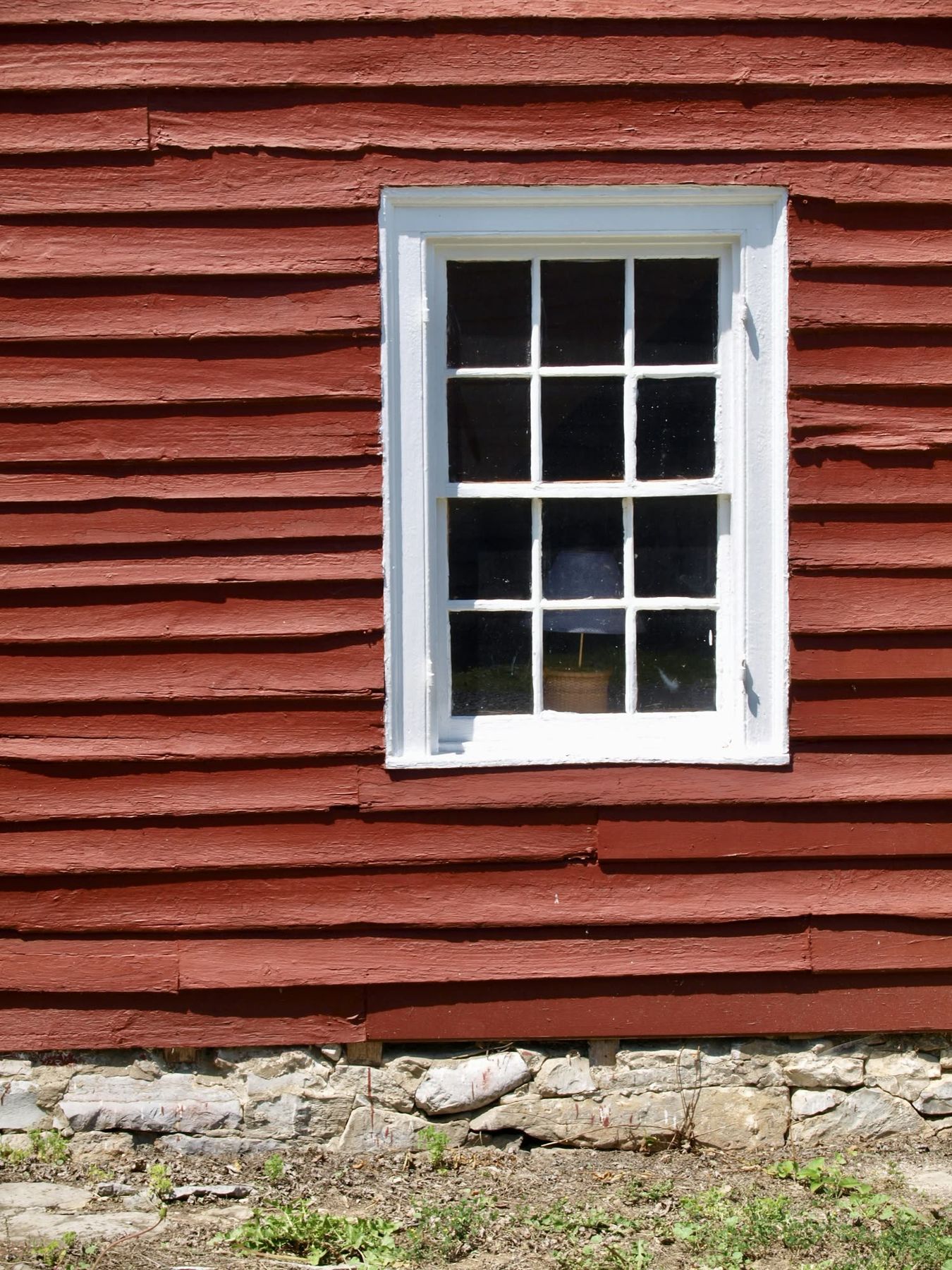
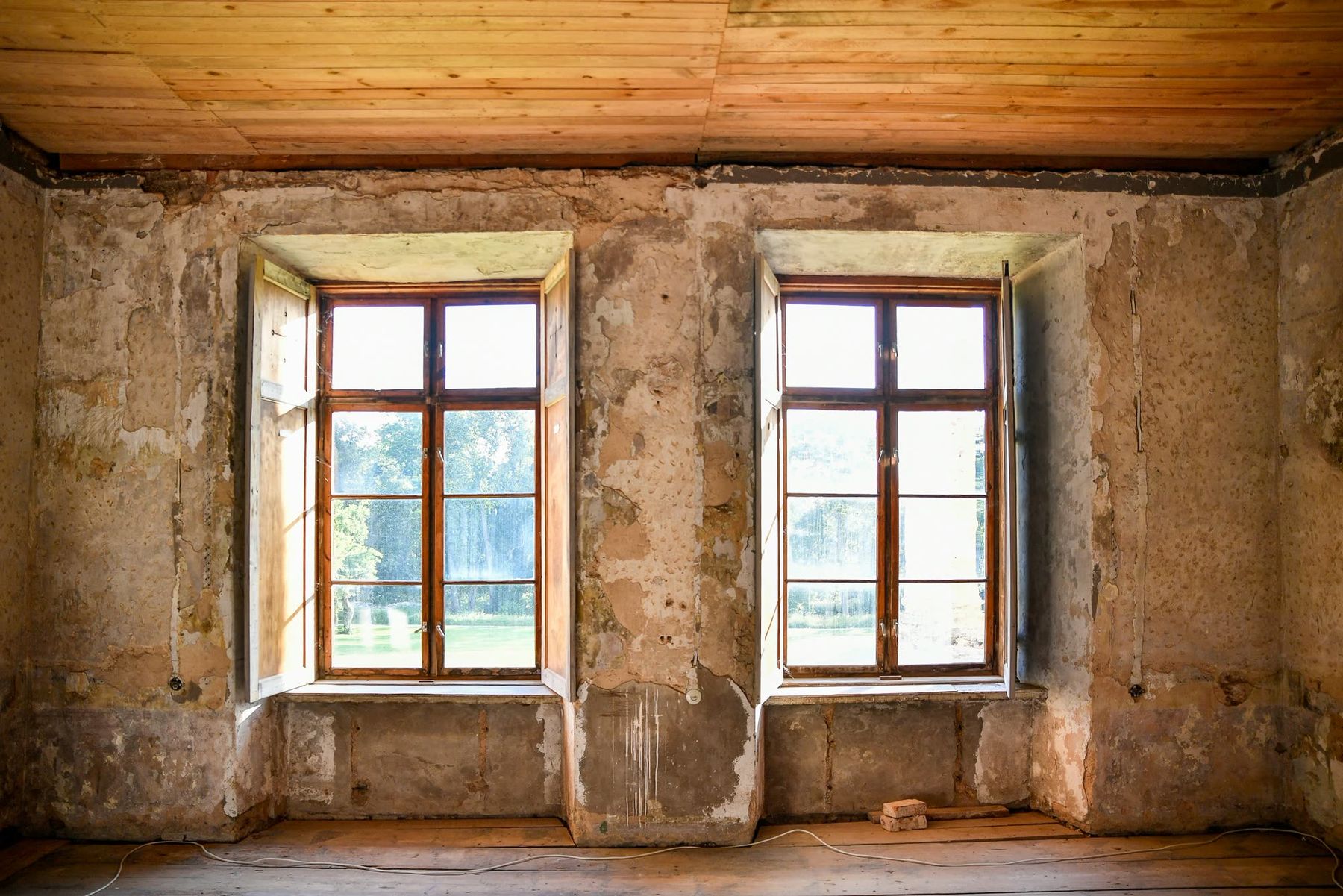
- Windows and insulationOriginal windows with good storms can outperform cheap replacements. Look in the attic: thin insulation is how ice dams start.
- Lead and asbestosHouses built before 1978 may have lead paint, and you'll receive the Massachusetts lead notification. Old pipe insulation and flooring can contain asbestos; test before you renovate.
- RadonA radon test is inexpensive and worth adding to the inspection in most of New England.
What to bring to a showing
A flashlight for the basement and the attic hatch, a phone for photographs of the electrical panel, the boiler's data plate and any stains on the ceilings, and this list. We bring the questions for the seller.
What it means for the offer
In Massachusetts the home inspection usually happens after the Offer to Purchase is accepted and before the Purchase and Sale agreement is signed. That's the window for specialist inspections, quotes and, if they're needed, a conversation about price or repairs. We'll put the dates in writing so nothing is rushed.
If you're looking at a house this season and want a second set of eyes on it, tell us which one.