
In short
- Name the decision the study informs before choosing anything else.
- Confirm exposure with a short PK study, then match the model to your mechanism.
- Set the primary endpoint, group size and controls together, and design for ARRIVE 2.0.
The most expensive in vivo study is the one that answers the wrong question. Before you compare CRO quotes, spend an hour on five decisions that set the model, group size, endpoints, timeline and budget. Get them right and the quote you receive will match the study you need.
1. Start with the decision, not the experiment
Write one sentence that names the decision this study informs. "Should we advance compound A over compound B into IND-enabling work?" leads to a very different design than "Does our lead show any activity in vivo?"
A go/no-go decision needs a clear primary endpoint and enough animals to detect the effect size that would change your mind. An exploratory question can tolerate smaller groups and more endpoints. Naming the decision first keeps the design honest.
2. Know your exposure before you test efficacy
An efficacy study that fails because the compound never reached its target tells you nothing about the biology. If you don't yet know how your molecule behaves in the species you plan to use, run a short pharmacokinetic study first.
A small PK study answers three questions: what dose and route give exposure above your in vitro potency, how long that exposure lasts, and whether the formulation is tolerated. Those answers set the dose levels and dosing frequency for the efficacy study. Many programs save weeks by pairing a PK satellite group with the efficacy arm.
3. Choose the model that matches your mechanism
No animal model reproduces a human disease completely. The right model is the one that shares the biology your drug acts on. Ask of any candidate model:
- Does it express the target, and is the pathway active?
- Does the disease develop on a timeline that fits your budget?
- Has a reference compound worked in it, so you have a positive control?
- Is the readout you care about measurable in this species?
Induced models (a diet, a chemical, an implanted tumor) are usually faster and more uniform. Spontaneous and genetic models often reflect human disease more closely but take longer and vary more between animals. Your CRO should be able to explain why it recommends one over the other.
4. Decide the endpoints and the group size together
Pick one primary endpoint that answers the decision from step one. Secondary endpoints are welcome, but each adds cost, and too many invite chasing noise.
Group size follows from that primary endpoint: how variable it is in this model, and how large an effect you need to detect. A power calculation using variability from prior studies in the same model is the standard approach. Underpowered studies are a common reason preclinical results fail to repeat.
Plan the controls at the same time. Most efficacy studies need a vehicle group and, where one exists, a positive control. Without them, a negative result can't tell you whether the drug failed or the model did.
5. Build in rigor from the start
The ARRIVE 2.0 guidelines list ten essential items every animal study should report, including sample size, inclusion and exclusion criteria, randomization, blinding and statistical methods. Designing for them up front costs little and makes your data far more convincing to investors, partners and regulators.
In practice that means randomizing animals to groups after baseline measurements, blinding whoever scores the outcome where possible, and writing down exclusion criteria before the study starts.
What to send a CRO for an accurate quote
A quote is only as good as the brief behind it. Include:
- The decision the study informs
- Compound or modality, route, and any PK or tolerability data you have
- Preferred model, or the mechanism if you want a recommendation
- Primary and secondary endpoints
- Number of test articles and dose levels
- Your target start date and when you need data
If you're not sure about some of these, say so. A good CRO partner will help you fill the gaps before quoting rather than after.
Sources
How this article was written. Alpha blog posts are written by the scientists who run our studies and reviewed by a second PhD or DVM for accuracy before publishing. [Confirm editorial policy with client.]
Corrections. Spot an error? Email info@alphapreclinical.com and we'll correct it and note the update date above.
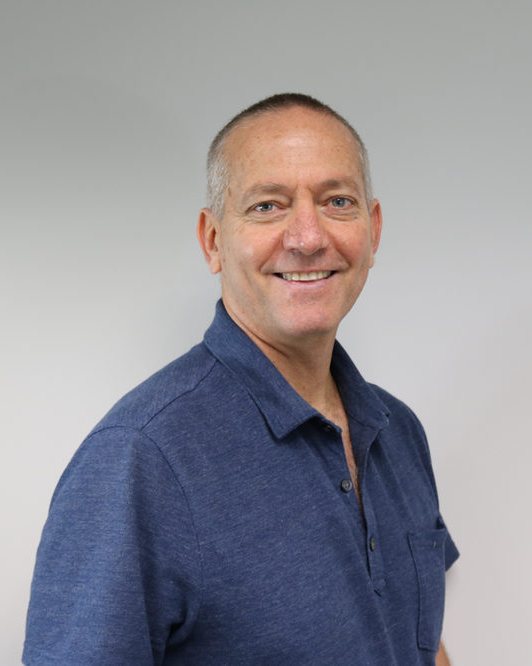
Barak Yahalom, DVM
CEO and Chief Scientific Officer, Alpha Preclinical
Barak is a veterinarian with more than 20 years in biotechnology and preclinical research, including director of in vivo pharmacology roles at several biotech companies and positions at Boston Children's Hospital and Biomere. His eight peer-reviewed papers span rat models of type 1 diabetes, mRNA liver depot therapy for hemophilia B and Fabry disease (Gene Therapy, Molecular Therapy) and pediatric anesthesia models (Anesthesiology).