In short
- Osmotic pumps give steady exposure for days to weeks without repeated handling.
- Choose them for short half-life compounds, steady-state questions, long studies and brain delivery.
- Check stability at 37 °C, solubility, priming and fill volume before you implant.
Some compounds can't do their job with a daily injection. If a molecule clears in minutes, or the biology needs steady exposure, a once-a-day bolus gives a spike and then nothing. An implanted osmotic pump delivers the compound continuously for days or weeks, without repeated handling of the animal.
How an osmotic pump works
An Alzet pump is a small capsule with a drug reservoir surrounded by a salt layer and a semipermeable outer membrane. Once implanted, water from the surrounding tissue moves into the salt layer, which squeezes the reservoir and pushes the solution out at a steady rate.
The rate is set by the membrane, not by your compound, so delivery is predictable whatever the molecule. You set the dose by changing the concentration in the fill solution. Pumps cover rates from 0.08 to 10 µL per hour and durations from about one day to six weeks, in three sizes: 100 µL and 200 µL models suited to mice, and 2 mL models for rats and larger animals.
When continuous dosing is the better choice
- Short half-life compounds, such as many peptides, that would need several injections a day to stay above effective levels
- Steady-state questions, where the biology depends on constant exposure rather than peaks and troughs
- Long studies, where daily injections would stress the animals and add handling variables
- Disease induction, where an agent such as a hormone or peptide is infused to create the model itself
- Brain delivery, where a compound that can't cross the blood-brain barrier is infused directly into the brain
Daily injection is still simpler and cheaper when exposure from a bolus is enough, and it lets you stop dosing at any time. A pump keeps delivering until it's empty or removed.
Subcutaneous, intraperitoneal or brain delivery
| Route | How | Used for |
|---|---|---|
| Subcutaneous | Pump placed under the skin of the back through a small incision | Most systemic dosing, the simplest surgery |
| Intraperitoneal | Pump placed in the abdominal cavity | Larger pumps in small animals, or faster uptake for some compounds |
| Intravenous | Pump connected to a catheter in a vein | Compounds that must reach blood directly |
| Intracerebroventricular (ICV) | Pump under the skin, connected by a catheter to a cannula placed in a brain ventricle | Delivery to the brain past the blood-brain barrier |
Every route is a surgery. Aseptic technique, anesthesia, pain relief and post-operative monitoring matter as much as the pump itself, and ICV placement needs stereotaxic surgery to hit the ventricle reliably.
Five details that decide whether pump studies work
- Stability at body temperature. The compound sits at 37 °C for the whole delivery period. Confirm it stays stable and soluble for that long in your vehicle.
- Solubility at the needed concentration. The pump's rate is fixed, so a high dose needs a concentrated solution. Check it can be made before you choose the model.
- Priming. A pump takes several hours to reach its steady rate after implantation. When delivery must start immediately, prime filled pumps in warm saline beforehand.
- Fill carefully. Air bubbles in the reservoir cause uneven delivery. Weigh pumps before and after filling to confirm the volume.
- Check delivery at the end. Recover pumps at termination and measure the residual volume, and confirm exposure with a plasma sample where you can.
Sources
How this article was written. Alpha blog posts are written by the scientists who run our studies and reviewed by a second PhD or DVM for accuracy before publishing. [Confirm editorial policy with client.]
Corrections. Spot an error? Email info@alphapreclinical.com and we'll correct it and note the update date above.
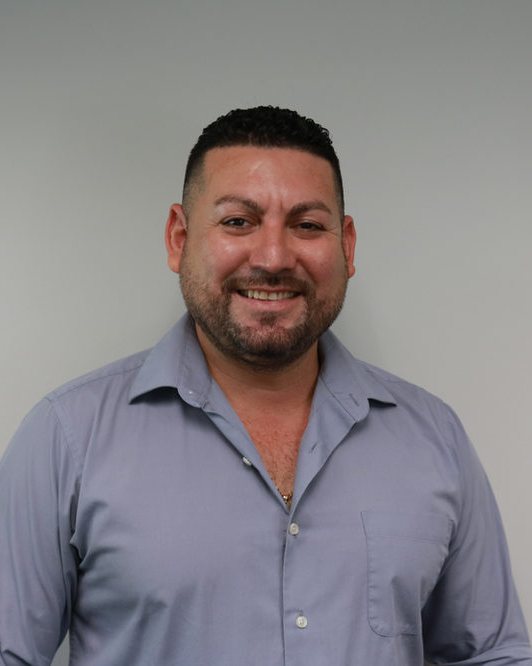
Gil Chacon
In Vivo Studies, Surgical Support and Training, Alpha Preclinical
Gil has nearly 20 years in preclinical research. He works on in vivo studies, provides technical and surgical support, trains staff and keeps facility operations running. Before Alpha, he was training and development coordinator at a preclinical CRO.